CRITICAL STORAGE
OCEAN + COASTAL HABITATS
83%
GLOBAL CARBON
83% of the global carbon cycle is circulated through the ocean.
2%
COASTAL HABITAT COVERAGE
Coastal habitats cover less than 2% of the total ocean area.
50%
SEDIMENT CARBON
Coastal habitats account for approximately half of the total carbon sequestered in ocean sediments.
WHERE IS IT?
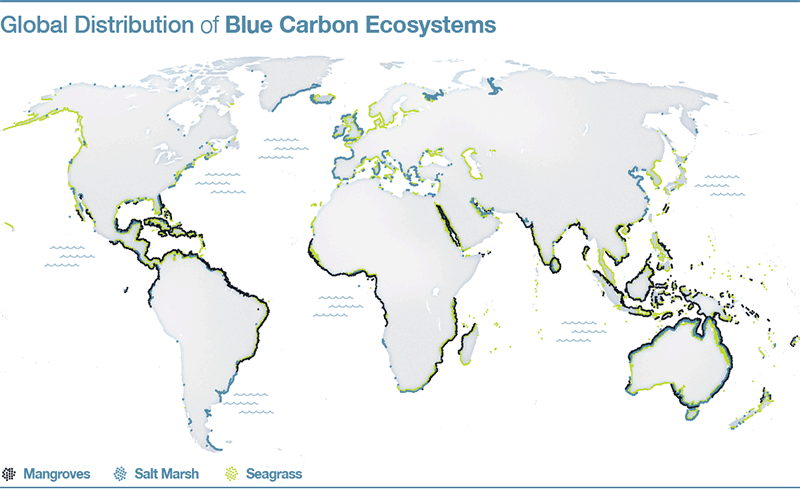
Mangroves, salt marshes and seagrasses are found along the coastlines of every continent except Antarctica. These coastal ecosystems cover between 13.8 and 15.2 million hectares (Mha), 2.2 and 40 Mha, and 17.7 and 60 Mha, respectively. Combined, these ecosystems cover approximately 49 Mha*.

Mangroves
Mangroves are being lost at a rate of 2% per year. Experts estimate that carbon emissions from mangrove deforestation account for up to 10% of emissions from deforestation globally, despite covering just 0.7% of land coverage.
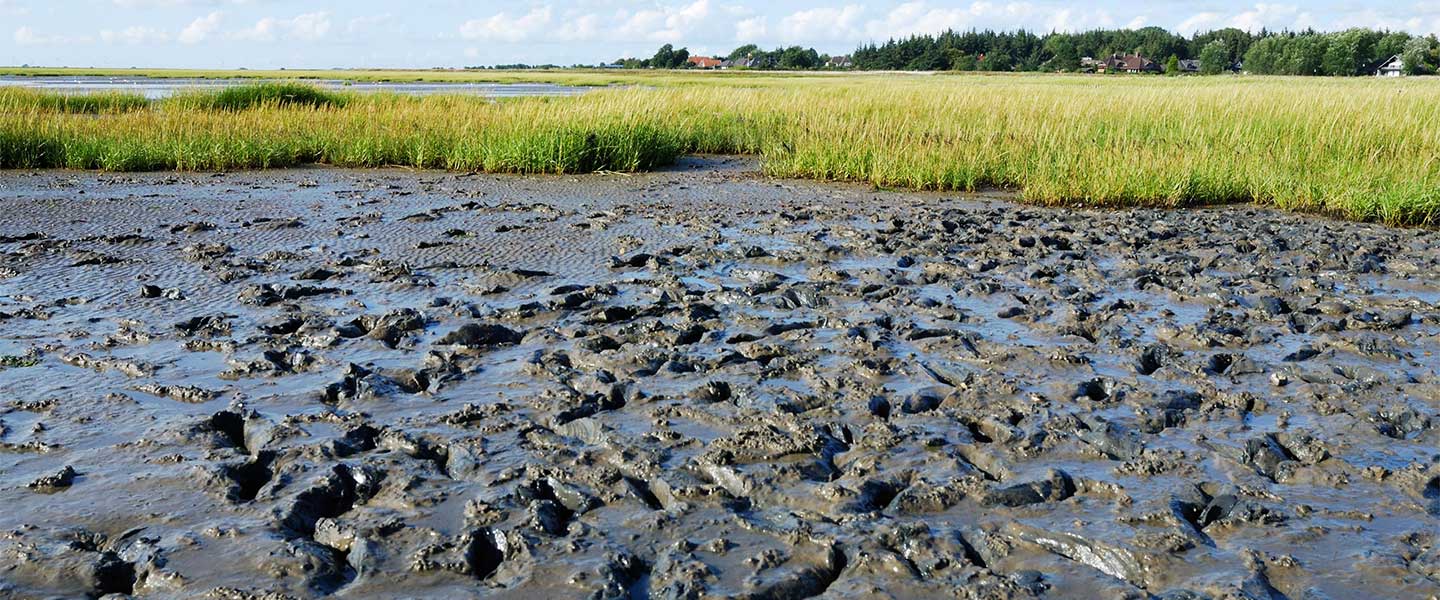
Tidal Marshes
Tidal marshes are being lost at a rate of 1-2% per year. They cover roughly 140 million hectares of Earth's surface. They have lost more than 50% of their historical global coverage.
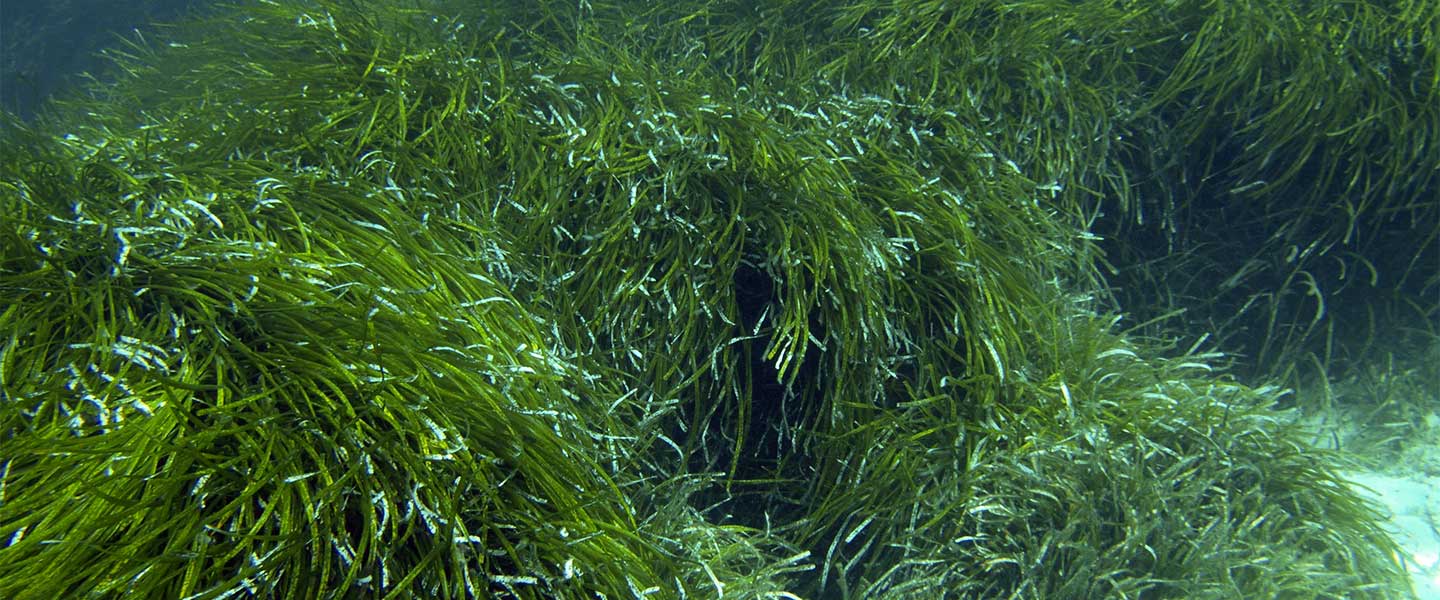
Seagrasses
Seagrasses cover less than 0.2% of ocean floor, but store about 10% of the carbon buried in the oceans each year. Seagrasses are being lost at a rate of 1.5% per year and have lost approximately 30% of historical global coverage.
WHY IS IT IMPORTANT?
When protected or restored, blue carbon ecosystems sequester and store carbon.
When degraded or destroyed, these ecosystems emit the carbon they have stored for centuries into the atmosphere and oceans and become sources of greenhouse gases. Experts estimate that as much as 1.02 billion tons of carbon dioxide are being released annually from degraded coastal ecosystems, which is equivalent to 19% of emissions from tropical deforestation globally*.
Mangroves, tidal marshes and seagrasses are critical along the world's coasts, supporting coastal water quality, healthy fisheries, and coastal protection against floods and storms. For example, mangroves are estimated to be worth at least US$1.6 billion each year in ecosystem services that support coastal livelihoods and human populations around the world*.